Skip to content

Everything has an origin. It's rarely the one you were told.

Most of what we know about where things come from reached us secondhand: dinner-table gossip, a myth nobody checked, something someone said very confidently. We distrust it for a living.

For every “what is the origin of…?” we open a case file. We gather documents, question the sources, follow the clues and reach a verdict: origin verified, myth busted or case disputed. So next time you tell the story, you tell it right.

Method

How a case file is opened

Three acts, always the same. Case file Nº 01, for example.

  1. Act 1

    The myth

    What everyone repeats. We write it down, word for word.

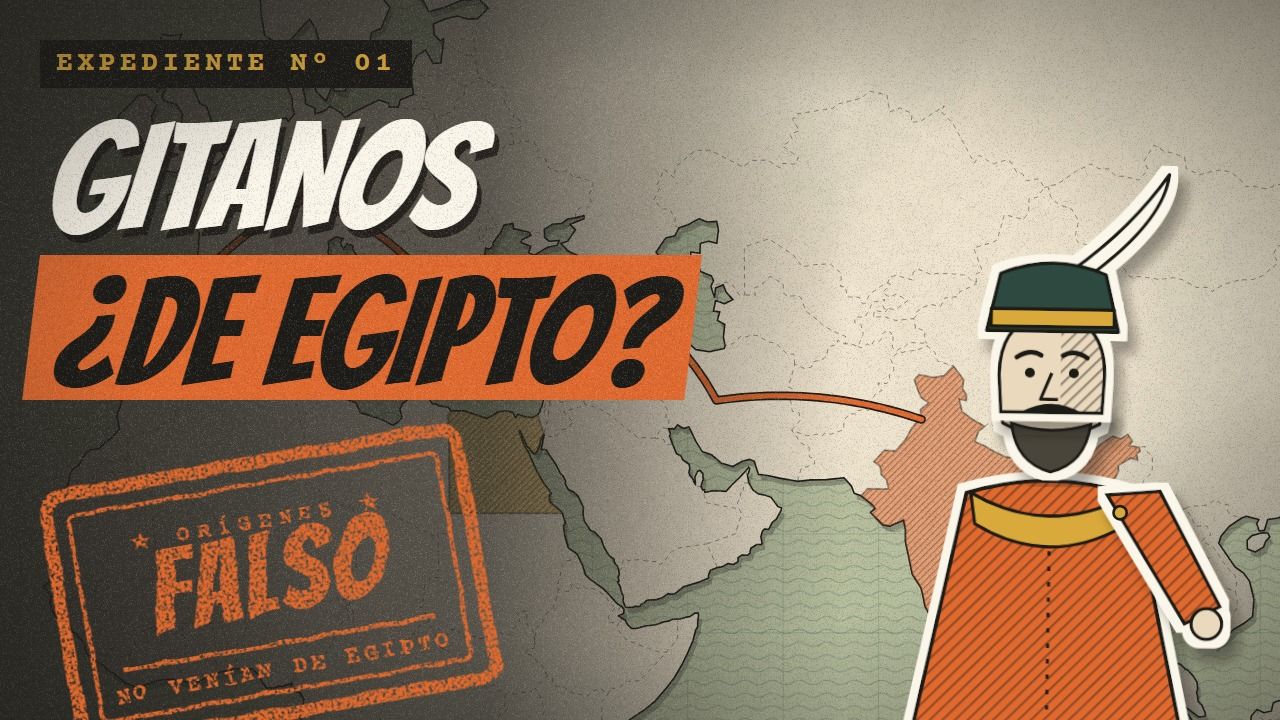
    “They come from Egypt”
    Europe, 15th century · hence “gypsy”, from “Egyptian”
  2. Act 2

    The clues

    Records, languages, DNA, archives. Every clue with its source.

    • c. 500 Approximate date, according to genetics, when the ancestral group leaves northwest India.
    • 1417 German chronicles record groups led by a “Duke of Little Egypt”.
    • 1783 Grellmann publishes “Die Zigeuner” and spreads the linguistic proof of an Indian origin.
  3. Act 3

    The verdict

    Origin verified, myth busted or case disputed. Stamped.

    Myth busted. The myth said Egypt; the language, the records and the DNA say northwest India.

    Open case file Nº 01 (in Spanish)

General archive · 05 folders · Nº 01 – Nº 05

The archive

  1. Case file Nº 05 · In Spanish

    ¿Cuál es el origen del Día de Muertos?

    Disputed

    Short answer

    El Día de Muertos es mestizo. Tiene raíz en los ritos mexicas y de otros pueblos mesoamericanos para sus difuntos, pero su fecha, 1 y 2 de noviembre, viene del calendario católico. El pan y el azúcar llegaron de España, la Catrina es de Posada (hacia 1912) y el desfile de Ciudad de México, de 2016.

  2. Case file Nº 04 · In Spanish

    ¿Cuál es el origen de la Primera Guerra Mundial?

    Origin verified

    Short answer

    La chispa fue el atentado de Sarajevo del 28 de junio de 1914 contra Francisco Fernando. La pólvora llevaba décadas acumulándose: alianzas rígidas, carrera armamentista, rivalidad imperial y nacionalismos. Austria-Hungría declaró la guerra a Serbia el 28 de julio de 1914 y, en una semana, el sistema de alianzas arrastró a las grandes potencias de Europa.

  3. Case file Nº 03 · In Spanish

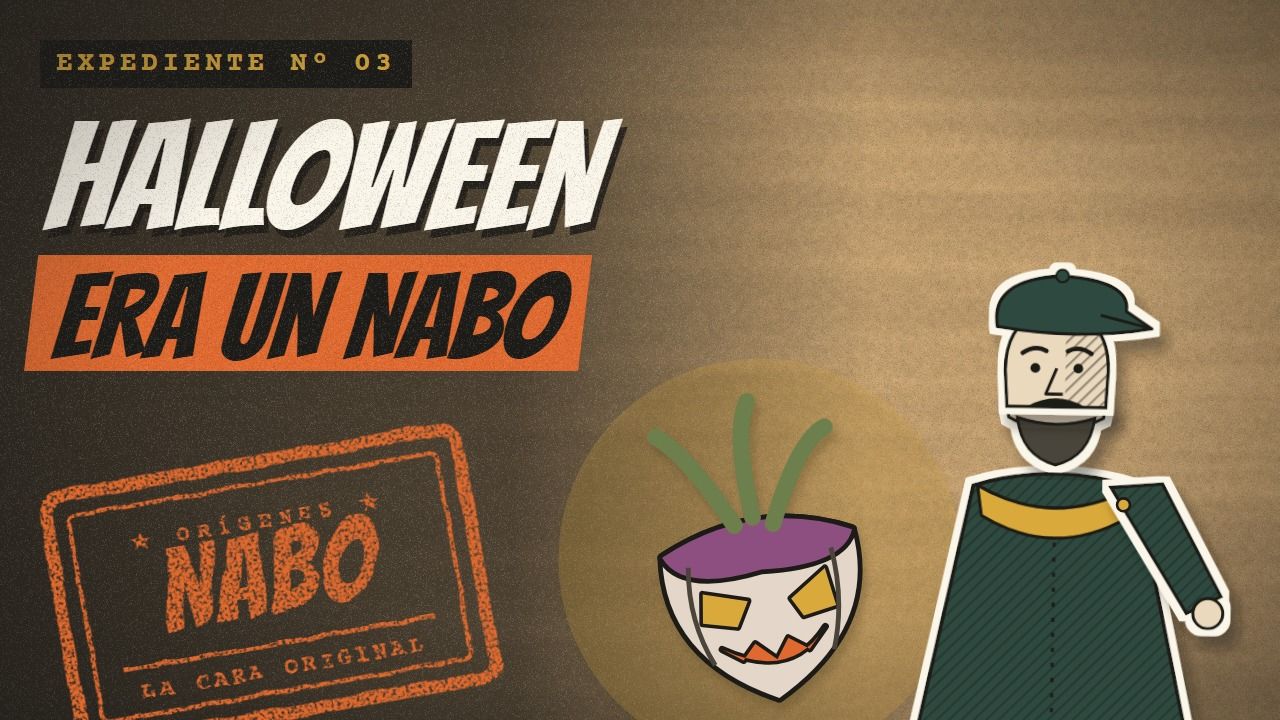
    ¿Cuál es el origen de Halloween?

    Disputed

    Short answer

    Halloween nace del cruce entre Samhain, la fiesta irlandesa medieval que abría el invierno el 1 de noviembre, y la víspera cristiana de Todos los Santos, que le dio el nombre: All Hallows' Eve. Los inmigrantes irlandeses y escoceses llevaron a Estados Unidos sus disfraces y linternas de nabo, y allá la calabaza reemplazó al nabo.

  4. Case file Nº 02 · In Spanish

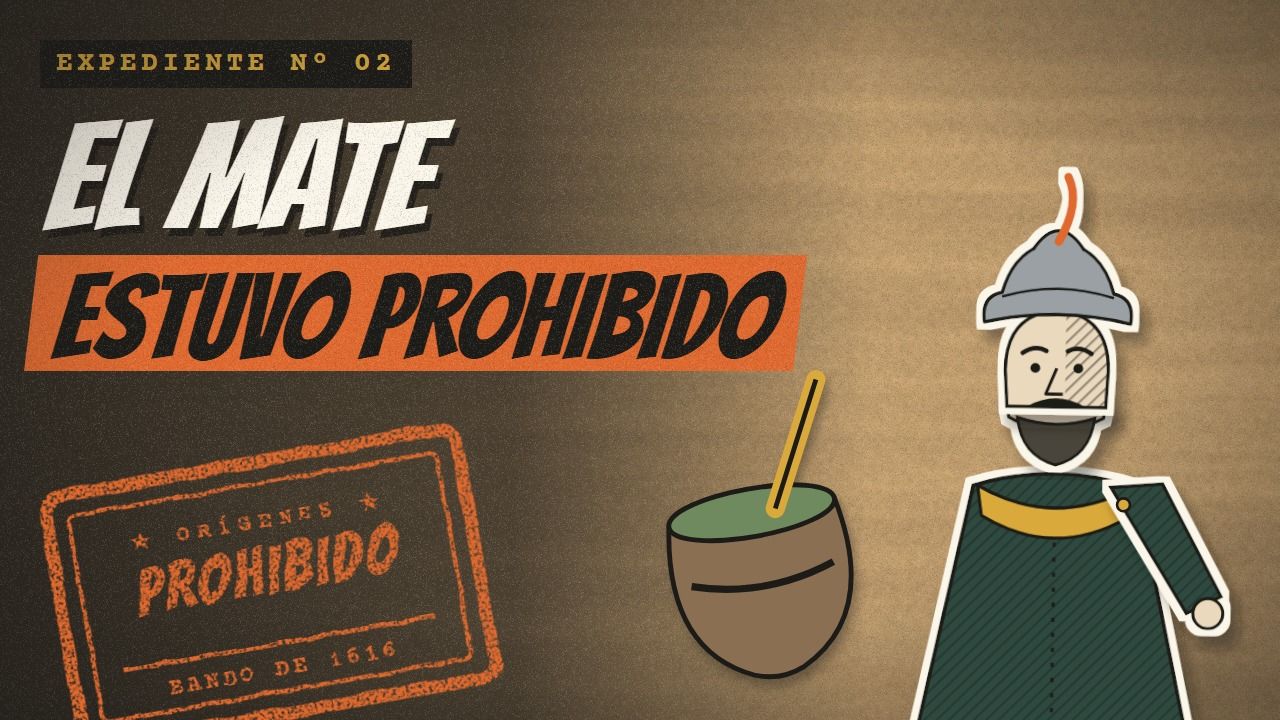
    ¿Cuál es el origen del mate?

    Origin verified

    Short answer

    El mate es de origen guaraní: los pueblos guaraníes de la selva del Alto Paraná ya consumían la yerba, que llamaban caá, antes de la llegada de los europeos. La palabra «mate» viene del quechua «mati», calabaza. Los españoles adoptaron la costumbre, Hernandarias la prohibió en 1616 sin éxito y los jesuitas lograron cultivarla.

  5. Case file Nº 01 · In Spanish

    ¿Cuál es el origen de los gitanos?

    Myth busted

    Short answer

    El pueblo gitano, también llamado romaní o rom, viene del noroeste de la India. Su lengua, el romaní, es pariente del hindi y desciende del sánscrito, y un estudio genético de 2012 fechó su salida hace unos 1.500 años. La palabra «gitano» sale de «egipciano»: en el siglo XV Europa creyó que venían de Egipto.

Every case has its folder: the video, the investigation card, the sources we checked and the classified information that didn't make the cut. Pick one. Fair warning: it's hard to open just one. In Spanish for now.

See the whole archive (ES)

The case is on screen too

Every case file has its video: paper puppets, moving documents and a narrator who interrupts when you least expect it. Subscribe and get to the next case first.

Subscribe on YouTube

Calendar of origins

What gets celebrated in October and November

Dates with a case file can already be opened (in Spanish). The rest are under investigation.

  1. 31oct

    Halloween

    Case file Nº 03

  2. 2nov

    Día de Muertos

    Case file Nº 05

  3. 26nov

    ¿Cuál es el origen del Día de Acción de Gracias?

    Next case file

    Lo anunciamos al final del Nº 05.

  4. 27nov

    ¿Cuál es el origen del Black Friday?

    Under investigation

    Spoiler: no tiene que ver con los números en rojo.

  5. 30nov

    Día Nacional del Mate (Argentina)

    Case file Nº 02

See the full calendar (in Spanish)

The map of origins

Every case file, pinned where it began.

Open the map (in Spanish)

Behind the curtain

Jokes, yes. Made-up facts, no.

No es magia… es código.
GermánCo-founder of OrígenesInstagram
La vida está llena de serendipias, encontrá las tuyas.
NoeCo-founder of OrígenesInstagram
  • Verified sources

    A person opens every source and checks that it says what we claim.

    How we research
  • Public corrections

    If we get something wrong, we fix it in the open, with a date, on every case file.

    Corrections
  • Made by two former teachers

    Germán taught for over 15 years; Noe, 8 in kindergarten. Explaining is the trade.

    About Orígenes

The Case File Club

Join the investigation team.

Every case file reaches you the day it opens, with what didn't make the video. Your member card has a number and your own paper puppet.

What do members get?